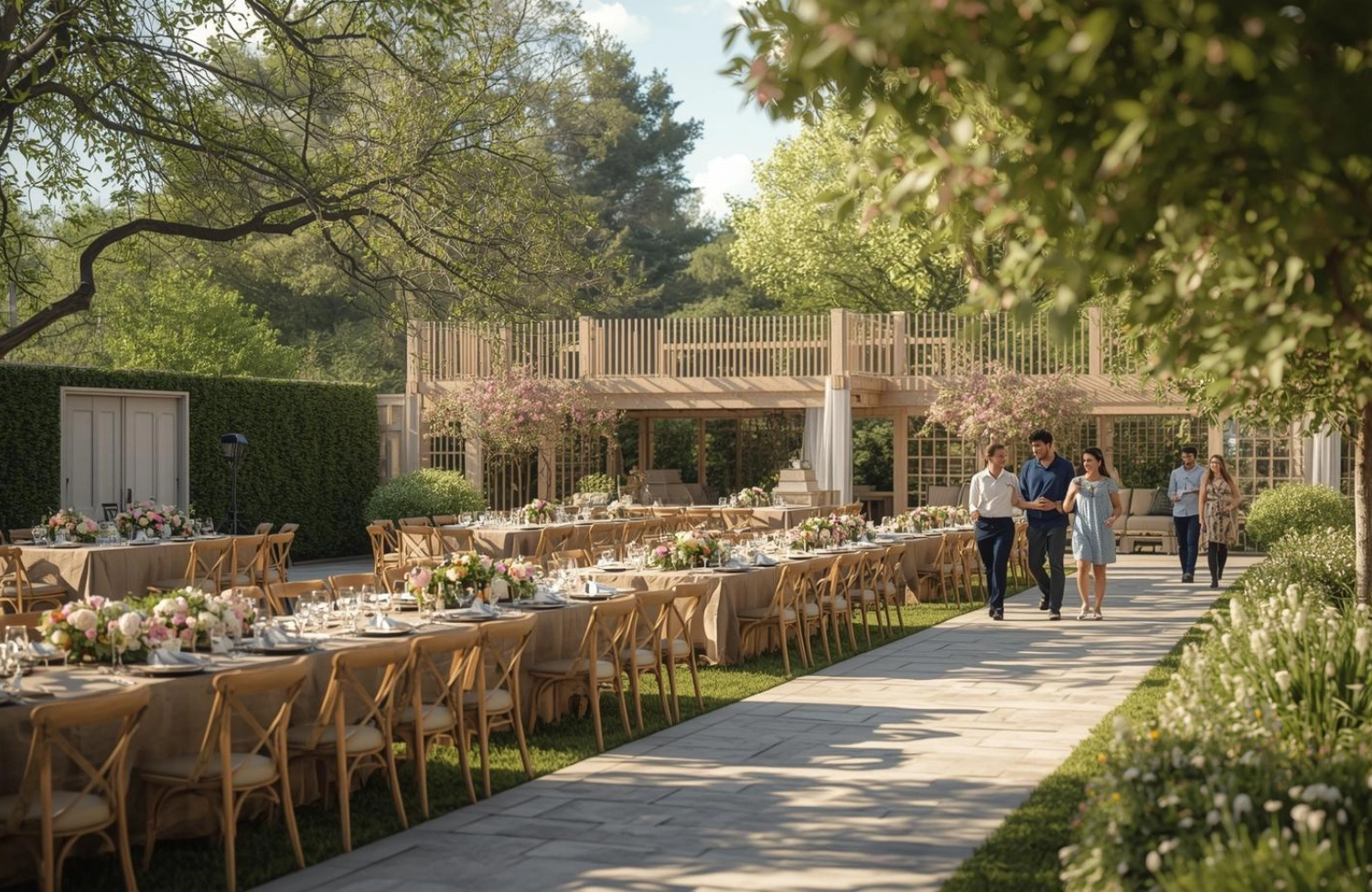

When you walk into a well-executed event, it feels effortless. The guest experience is seamless, as if everything “just worked.” For hosts, it may feel like magic. In reality, this ease stems from numerous unseen decisions and countless moving parts skillfully managed behind the scenes.
At Latitude Longitude, Nashville’s top Destination Management Company (DMC), the work starts long before the first guest arrives and continues until the last truck leaves. Here is what happens behind the scenes at a seamless event and why full-service planning is often the smartest investment
Translating Vision into a Realistic Plan Translating Vision into a Realistic Plan
- Asking the right questions about goals, audience, and non-negotiables.
- Clarifying budget ranges and where you want to spend vs. save.
- Matching the event’s purpose to formats that work, such as retreat, conference, reception, or site visit.
Building a Timeline That Actually Works
- Build detailed timelines that account for setup, rehearsals, transitions, and teardown.
- Coordinate with each vendor to confirm exact arrival, setup, and departure windows.
- Layer in buffers for inevitable delays, traffic, extended conversations, and weather pivots.
- Sync internal moments (executive arrivals, VIP meet-and-greets, product reveals) with the external program.
Managing Logistics With Precision
- Mapping how trucks will access venues and where staging happens.
- Confirming power needs for AV, lighting, and catering equipment.
- Planning for signage, registration flow, and wayfinding so no one gets lost.
- Accounting for accessibility, dietary requirements, and room configurations that work for all guests.
- Coordinating transportation, airport pickups, shuttles, and rides between off-site locations, down to specific routes and timing.
You may only see the final effect: people arriving on time, going to the right place, and finding what they need. The planner is the one who makes that happen.
Being the Point Person So You Can Be the Host
- Field vendor calls and texts, so your phone doesn’t buzz every five minutes.
- Make quick decisions on small adjustments like shifting furniture, changing mic setups, or tweaking lighting.
- Troubleshoot issues in real time, from a missing place card to a last-minute dietary request.
- Keep an eye on timing and gently nudge speakers, DJs, or staff when it’s time to move on.
This allows you and your leadership team to focus on being present: greeting guests, participating in sessions, nurturing relationships, and experiencing the event alongside your people.
Protecting the Experience When Things Change
- Builds backup plans into the design from day one (indoor options, tent plans, timing shifts).
- Communicates quietly with vendors to adjust setup, staffing, or service as needed.
- Reroutes transportation or reflows the schedule without disrupting the guest experience.
- Absorbs tension so your team doesn’t have to scramble in front of clients or attendees.
Guests may never know there was a pivot. They only feel that the event still felt thoughtful and well-run, even when the unexpected happened.
Measuring Success and Capturing Lessons
- Debrief meetings to review feedback from your team, vendors, and attendees.
- Notes on timing, flow, and programming that landed especially well.
- Suggestions for future formats, venues, or enhancements based on what you just experienced.
The Value You Don’t See on the Invoice
When you consider everything, a full-service planner like Latitude Longitude does much more than coordinate details. They protect your time, budget, brand, and guest experience. While an event may appear seamless from the outside, it is actually the result of careful strategy, strong relationships, meticulous logistics, and calm problem-solving, much of which is intentionally kept out of sight. You don’t have to manage everything on your own. With the right planning partner, you can focus less on the details and more on your main role: hosting the event and leading the guests.